-
Email
arkellzheng@gmail.com -
Whatsapp
+8618852320787 -
WeChat
+8618852320787
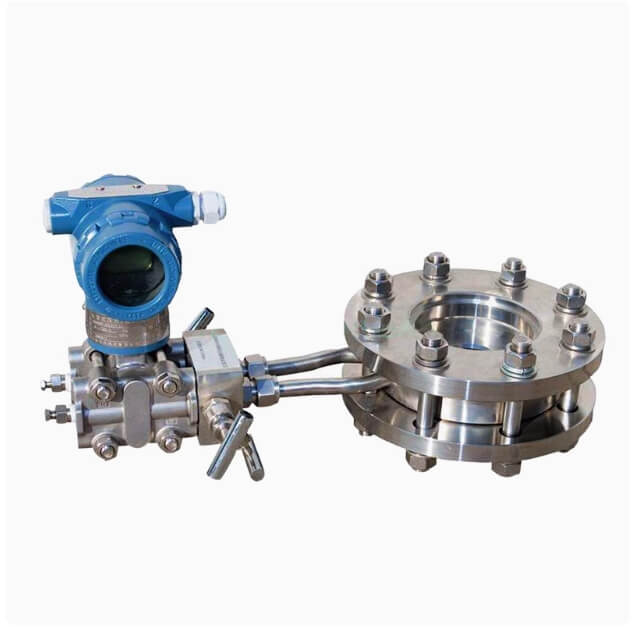
Orifice flow meters measure differential pressure across a restriction and calculate flow from it. The oldest technology in the catalogue, and still the most common, because a plate costs almost nothing and fits any pipe size.
Available straight run is the first question. If you have 30D of clean pipe, a standard plate is the cheapest correct answer. If you have 6D on a skid, the balanced plate pays for itself by making the installation possible at all.
Then permanent pressure loss. An orifice plate costs pressure, permanently, and on a large water main that energy bill runs for twenty years. Check it against the pump cost before defaulting to the cheap option.
Then the impulse lines. Differential pressure measurement is only as good as its tapings. Condensing legs, blocked impulse lines and air pockets in liquid service cause more wrong readings than the plate itself ever does.
Low flows in large pipes, dirty service that plugs the taps, and anywhere the permanent pressure loss is unacceptable. For those, look at electromagnetic or vortex.